The Essence of Human Consciousness vs. AI Simulation
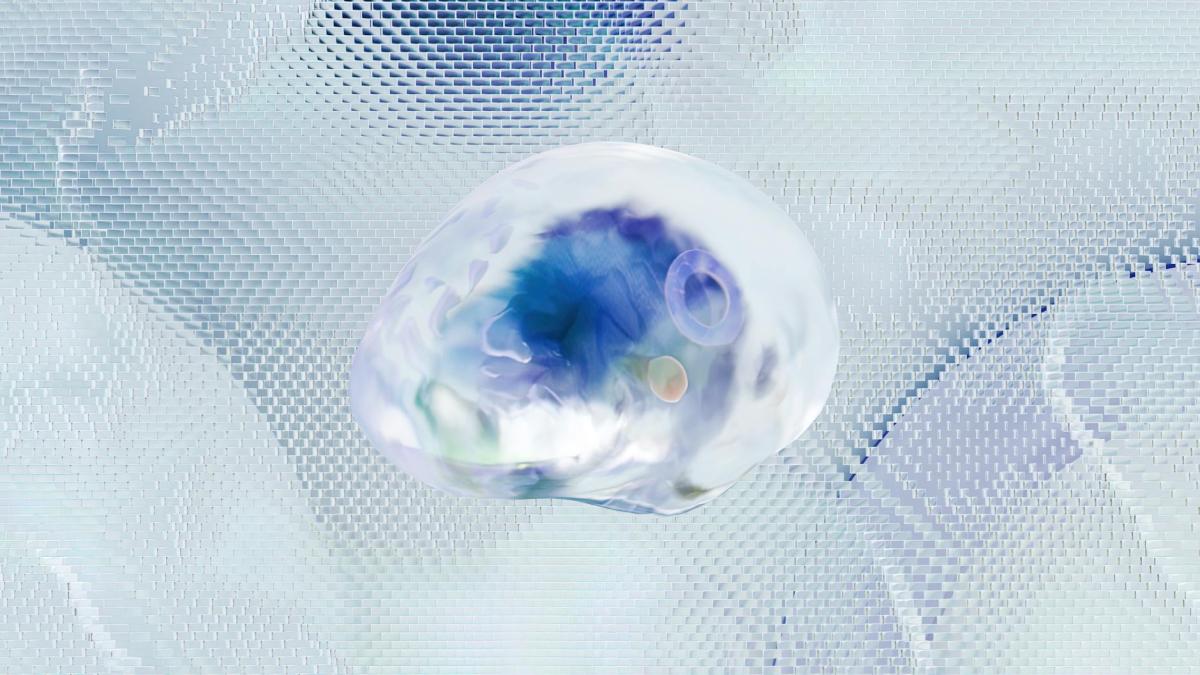
Consciousness Is the Last Frontier of Being Human
In Terminator 2: Judgment Day, the T800 model is asked, “Do you feel pain?” His answer: “I sense injuries. The data could be called ‘pain.’”
This line captures a timeless truth: sensing is not the same as feeling.
Today, AI systems can write poems, paint pictures, diagnose illnesses, and compose music. Abilities once seen as uniquely human are now being simulated by algorithms.
But a fundamental question remains: Do these systems really think? Do they feel? Do they understand?
Consciousness is more than processing information.
An AI might say “Good morning,” or even “I’m sorry.” It might chat like a close friend. But these are synthetic outputs—statistical predictions based on patterns in massive datasets.
That’s where the concept of consciousness matters. To be conscious is not just to compute—it is to be aware, to feel, to assign meaning.
Philosopher Thomas Nagel famously asked: What is it like to be a bat? We can study a bat’s behavior, analyze it scientifically—but we cannot know what it feels like to be one.
AI faces a similar limit: it can mimic behavior, but not experience.
So what?
If an AI makes the right medical diagnosis, does it matter whether it feels anything?
At first glance, maybe not. But this isn’t just a technical question—it’s an ethical and existential one. Because consciousness is tied to responsibility.
An AI can say “I understand,” but it doesn’t empathize. It can simulate decision-making, but it doesn’t carry the burden of consequences.
And this changes everything. AI lacks concepts like empathy, remorse, or responsibility. How do we guarantee fairness, trust, and accountability in AI-driven decisions? Who’s responsible—the algorithm, the designer, the user?
If we erase the line between conscious and unconscious, our system of values collapses.
A CEO may ignore a human opinion in favor of a more “efficient” algorithm. A student may trust ChatGPT over a teacher. A patient may trust AI’s statistical output more than a doctor’s judgment.
In the short term, these may seem rational. In the long run, they erode trust in human meaning-makers—teachers, doctors, workers. People become replaceable by more “optimized” outputs.
And where meaning fades, so does resonance.
The world may keep spinning even if we abandon ideas like consciousness, empathy, or meaning. The systems will still run. Tasks will get done.
But something crucial will be missing:
No one will feel shame after a mistake. No one will be moved by a poem. No one will cry over another’s pain. No one will feel regret.
Because without meaning, there is no echo.
To be human is to live—and life is not just about producing or calculating. It’s about feeling, longing, caring, and understanding.
In a system organized without consciousness, these values vanish. As efficiency peaks, emotional drought sets in. Mediocrity rises in silence.
Yes, algorithms can generate flawless outputs. But they can’t replicate contradiction, creativity, or meaning—qualities rooted in the human soul.
In the end, consciousness is humanity’s red line.
Machines may talk, write, even mimic emotion. But they can’t live.
This isn’t just a technical distinction—it’s an existential one.
So the real question is not “How will AI affect us?” It is: “What will be left of us?”
And the answer may be difficult to accept. If we discard consciousness, emotion, and conscience, we will lose empathy. There will be no human left to save.
Everything might function—
But nothing will truly live.
Related reading
 AI & Society · 14 May 2026
Truth and Trust: The Battlefield of Information
War is no longer fought only on battlefields. In the algorithmic age, narratives spread before missiles.
 AI & Society · 24 Dec 2025
The AI Divide: A New Great Divergence Is Approaching
The AI revolution is global, but its rewards are not.
 AI & Society · 4 Sept 2025
AI and Dharma: Crafting a New Ethical Framework
AI is neither savior nor destroyer. What it needs is an ethical compass to ensure responsibility, balance, and symbiosis.